Finding the best laptops for multitasking means looking beyond processor names. Smooth performance depends on the balance of CPU speed, memory, storage, display comfort, battery expectations, and the number of apps you use at once.
This roundup covers 10 current options for professionals, students, home offices, and business users. The selection includes flexible 2-in-1 designs, large-screen laptops, touch models, and configurations with up to 32GB of RAM and 2TB of storage.
Best 10 Laptops for Multitasking Picks for 2026
Best Performance Pick

- Ryzen 7 8845HS handles demanding multitasking
- 16GB RAM and 1TB SSD
- 16-inch 16:10 touchscreen
Best For: Business users, students, and creators needing strong all-around performance
Best Large-Screen Value

- Spacious 17.3-inch anti-glare display
- 16GB RAM and 512GB SSD
- Numeric keypad and listed 12-hour battery life
Best For: Home-office users and students who prefer a large workspace
Power User Pick
Dell 16 Touchscreen Core 7 Laptop

- 10-core Core 7 processor with 32GB DDR5 RAM
- 1TB SSD and 16-inch 16:10 touchscreen
- Windows 11 Pro with Copilot and fingerprint reader
Best For: Professionals and students who regularly run multiple apps
Big-Screen Value
HP OmniBook 3 17.3-inch Laptop
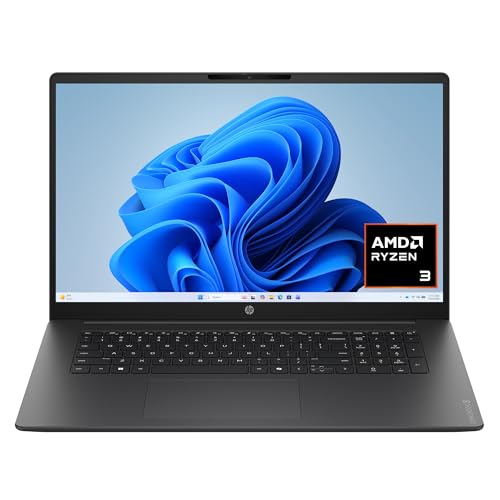
- 17.3-inch Full HD IPS display with anti-glare coating
- 512GB SSD and 8GB LPDDR5 memory
- FHD HDR camera with AI noise reduction
Best For: Students and home users who want a large everyday laptop
Storage Champion
HP 17.3-inch Ryzen 5 Business Laptop

- Ryzen 5 processor with 32GB RAM for multitasking
- Large 2TB SSD for applications and files
- 17.3-inch FHD IPS display with numeric keypad
Best For: Business and home-office users needing lots of storage
Balanced Multitasker
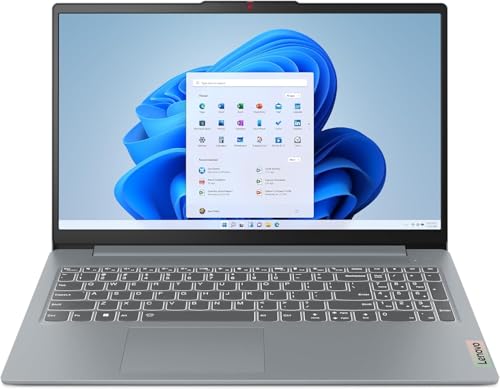
- Eight-core Ryzen 7 processor
- 16GB RAM and 512GB NVMe SSD
- 15.6-inch Full HD touchscreen
Best For: Students and everyday office multitasking
High-Capacity Workhorse
HP 15.6-inch Touchscreen Laptop

- Ryzen 7 with eight cores and 16 threads
- 32GB RAM and 1TB SSD listed
- Full HD IPS touchscreen with Windows 11 Pro
Best For: Professionals needing generous memory and storage
Business Connectivity Pick

- 13th-gen Core i5 H-series processor
- 16GB RAM and 512GB SSD listed
- RJ45, HDMI, USB-C, and numeric keypad
Best For: Office users who value ports and wired networking
Best Performance Pick – Lenovo IdeaPad 2-in-1 Ryzen 7
For shoppers comparing laptops for multitasking, the Lenovo IdeaPad 2-in-1 combines a Ryzen 7 8845HS processor, 16GB of memory, and a 1TB SSD for handling multiple applications, business workloads, and content creation. Its 16-inch 16:10 touchscreen also provides extra vertical room for documents and web pages.
Best For: Business users, students, and creators who want strong performance with touchscreen flexibility.
Pros:
- Ryzen 7 8845HS with 8 cores and 16 threads supports demanding multitasking.
- 16GB LPDDR5 RAM and a 1TB SSD provide responsive application performance and ample storage.
- 16-inch 1920×1200 touchscreen offers useful vertical workspace.
- Includes Windows 11 Pro, fingerprint login, backlit keyboard, and numeric keypad.
Cons:
- At approximately 6 pounds, it is heavier than many thin productivity laptops.
- Integrated graphics are suited to general creative work rather than dedicated-GPU workloads.
This is a feature-rich choice for multitaskers who value processor headroom, generous storage, and a convertible-style touchscreen design.
Best Lightweight Option – HP Pavilion 16 Touchscreen
The HP Pavilion 16 is a practical pick among laptops for multitasking, pairing an Intel Core Ultra 5 processor with a fast 512GB PCIe Gen4 SSD and a lightweight design. Its 16-inch 1920×1200 display, AI noise reduction, and bundled hub support work-focused setups.
Best For: Professionals, students, and everyday users who prioritize portability and flexible connectivity.
Pros:
- Lightweight design with a listed weight of about 3.61 pounds.
- 512GB PCIe Gen4 NVMe SSD supports quick boots and application launches.
- 16-inch 1920×1200 touchscreen provides a spacious work area.
- Includes AI noise reduction, privacy shutter, numeric keypad, and a 5-in-1 hub.
Cons:
- 8GB of RAM is less generous than the memory offered by several competing models.
- Integrated Intel graphics are intended for general productivity rather than graphics-intensive work.
Its slim build and included hub make it convenient for mobile productivity, though users who routinely keep many demanding programs open may prefer more memory.
Best for Power Users – Lenovo ThinkBook 16 Gen 8
For demanding laptops for multitasking, the Lenovo ThinkBook 16 Gen 8 stands out with an Intel Core Ultra 7 255H processor, 32GB of DDR5 RAM, and a 1TB SSD. Its 16-inch 16:10 display, Intel Arc graphics, and extensive port selection suit data-heavy business and creative workflows.
Best For: Developers, business professionals, and creators managing large files, databases, or multiple applications.
Pros:
- 16-core hybrid Intel Core Ultra 7 processor includes an AI Boost NPU.
- 32GB DDR5 RAM and 1TB PCIe NVMe storage are well suited to heavy multitasking.
- Intel Arc 140T graphics support video editing, CAD, and creative workflows.
- Thunderbolt 4, HDMI 2.1, Ethernet, SD card reader, Wi-Fi 6E, and Windows 11 Pro add flexibility.
Cons:
- Integrated graphics may not replace a dedicated GPU for demanding 3D or gaming workloads.
- The 16-inch chassis may be less convenient for users seeking maximum portability.
This is the strongest multitasking-oriented configuration in the group, especially for buyers who need abundant memory, fast storage, business security, and versatile connectivity.
Best Large-Screen Value – HP 17 Business Laptop
The HP 17 provides a spacious 17.3-inch display for shoppers seeking laptops for multitasking at a desk. Its Ryzen 5 processor, 16GB of RAM, 512GB SSD, full-size keyboard, and numeric keypad support everyday business, student, and office work.
Best For: Home-office users and students who prefer a large screen and full-size keyboard.
Pros:
- Large 17.3-inch anti-glare display gives windows and documents more room.
- 16GB RAM supports everyday multitasking across applications and browser tabs.
- 512GB SSD provides solid-state storage for documents, software, and media.
- Includes a numeric keypad, 12-hour listed battery life, and HP Fast Charge.
Cons:
- The listed 1600×900 resolution is lower than the 1920×1200 displays on the other featured models.
- The 17.3-inch form factor is less portable than smaller laptops.
- DDR4 memory and an integrated graphics solution are aimed at everyday productivity.
Choose this HP when screen size and comfortable desktop-style working matter more than compact portability or higher-resolution display detail.
Power User Pick – Dell 16 Touchscreen Core 7 Laptop
For shoppers comparing laptops for multitasking, this Dell combines a 10-core Intel Core 7 150U processor, 32GB of DDR5 memory, and a 1TB PCIe NVMe SSD. Its 16-inch touch display, Windows 11 Pro, and broad connectivity make it a practical choice for office work, calls, coding, and light creative tasks.
Best For: Professionals, students, and home users who need abundant memory, fast storage, and a touch-enabled workspace.
Pros:
- 32GB DDR5 RAM and a 10-core processor support demanding multitasking.
- 1TB SSD provides fast booting and ample room for projects and files.
- 16-inch 16:10 touchscreen offers extra vertical space for documents and coding.
- Windows 11 Pro, fingerprint recognition, backlit keyboard, and Wi-Fi 6E add practical convenience.
Cons:
- Integrated Intel Iris Xe graphics are intended for everyday work and light gaming rather than graphics-intensive workloads.
- At 4.4 pounds, it may be less convenient for frequent travel than a smaller laptop.
This is the strongest all-around multitasking option in the group when memory capacity, storage, and professional features matter most. The touchscreen and 16:10 layout are useful extras for productivity-focused users.
Big-Screen Value – HP OmniBook 3 17.3-inch Laptop
This HP OmniBook 3 is a sensible entry-level option among laptops for multitasking, offering a spacious 17.3-inch Full HD IPS display, an AMD Ryzen 3 processor, 8GB of LPDDR5 RAM, and a 512GB SSD. Its long claimed battery life, enhanced camera, and noise reduction features suit everyday home, school, and video-call use.
Best For: Home users and students who prioritize a large screen, everyday productivity, streaming, and online meetings.
Pros:
- 17.3-inch anti-glare Full HD IPS display provides a roomy workspace and wide viewing angles.
- 512GB PCIe NVMe SSD supports quick storage access and everyday responsiveness.
- FHD camera with HDR auto-switch and AI noise reduction support clearer calls.
- Wi-Fi 6, Bluetooth 5.4, USB-C connectivity, and a Copilot key improve versatility.
Cons:
- 8GB of onboard RAM is more limited for heavy multitasking than the higher-memory alternatives.
- AMD Radeon 610M integrated graphics are geared toward streaming and casual use.
The OmniBook 3 makes the most sense if screen size and communication features are more important than maximum multitasking headroom. Its 17.3-inch panel is comfortable for documents and entertainment, while the SSD keeps routine tasks responsive.
Storage Champion – HP 17.3-inch Ryzen 5 Business Laptop
Designed for buyers seeking laptops for multitasking, this HP pairs a six-core, 12-thread AMD Ryzen 5 7430U processor with 32GB of DDR4 RAM and a large 2TB SSD. The 17.3-inch Full HD IPS screen, Windows 11 Pro, numeric keypad, and multiple ports create a capable setup for business, study, conferencing, and everyday productivity.
Best For: Business users, students, and home-office buyers who need generous storage and a large productivity display.
Pros:
- Ryzen 5 7430U with six cores and 12 threads is suited to office apps and multitasking.
- 32GB RAM and a 2TB SSD provide substantial capacity for files, applications, and projects.
- 17.3-inch anti-glare Full HD IPS display offers a spacious viewing area.
- Windows 11 Pro, Copilot access, numeric keypad, Wi-Fi 6, and varied ports support business workflows.
Cons:
- The 17.3-inch chassis is relatively large and less portable than smaller-screen alternatives.
- Integrated graphics are designed for general productivity rather than demanding gaming or creative rendering.
This HP is a strong fit for users who want high memory and especially abundant storage without moving to a workstation-class system. Its large screen and numeric keypad are particularly useful for spreadsheets, documents, and data entry.
Balanced Multitasker – Lenovo IdeaPad Slim 3
For shoppers comparing laptops for multitasking, the Lenovo IdeaPad Slim 3 offers a practical combination of an eight-core Ryzen 7 processor, 16GB of memory, and a 512GB NVMe SSD. Its 15.6-inch Full HD touchscreen and full-size keyboard with numeric keypad suit everyday work, study, browsing, and entertainment.
Best For: Students, home-office users, and business users who want a versatile touchscreen laptop for everyday multitasking.
Pros:
- AMD Ryzen 7 5825U processor with eight cores and speeds up to 4.5GHz.
- 16GB DDR4 memory and a 512GB NVMe M.2 SSD support multiple applications and quick storage access.
- 15.6-inch 1920 x 1080 capacitive touchscreen with Wi-Fi 6 connectivity.
- Full-size keyboard with numeric keypad and privacy camera feature.
Cons:
- Integrated Radeon graphics are intended for general use rather than dedicated graphics workloads.
- The display is limited to a 60Hz refresh rate and 300-nit maximum brightness.
- Listed battery energy is 26 watt-hours, which may favor users near a charger.
The IdeaPad Slim 3 is a well-rounded choice when responsive everyday multitasking matters more than specialized performance. Its touchscreen, number pad, and broad connectivity make it especially useful for office and student workflows.
High-Capacity Workhorse – HP 15.6-inch Touchscreen Laptop
Among laptops for multitasking, this HP model stands out for its stated 32GB RAM and 1TB SSD configuration. The Ryzen 7 7730U, Full HD touchscreen, Windows 11 Pro, and generous storage make it suited to users who regularly keep office apps, meetings, browser tabs, and files open together.
Best For: Professionals, remote workers, and students who prioritize memory and storage for demanding daily workflows.
Pros:
- AMD Ryzen 7 7730U uses eight cores and 16 threads for demanding multitasking.
- Product title lists 32GB RAM and a 1TB SSD for large workloads and file libraries.
- 15.6-inch 1920 x 1080 IPS touchscreen with anti-glare design.
- Windows 11 Pro, numeric keypad, privacy camera shutter, Wi-Fi 6, and USB-C connectivity.
Cons:
- Integrated Radeon graphics are not a substitute for a dedicated graphics processor.
- The display is specified at 60Hz and up to 300 nits.
- Product notes contain conflicting memory and battery figures, so configuration details should be verified before purchase.
This HP is the most storage- and memory-focused option in the group based on its product title. It makes sense for buyers who want ample room for simultaneous applications and files, provided the final configuration matches the listing.
Business Connectivity Pick – Lenovo V15 Gen 4
For business-oriented laptops for multitasking, the Lenovo V15 Gen 4 combines a 13th-generation Core i5-13420H processor with 16GB RAM and a 512GB SSD. Its numeric keypad, Windows 11 Pro, HDMI, RJ45 Ethernet, and USB ports make it a practical fit for desk-based productivity and office setups.
Best For: Business users who need a conventional 15.6-inch laptop with a number pad and wired networking.
Pros:
- Intel Core i5-13420H offers eight cores, 12 threads, and turbo speeds up to 4.6GHz.
- 16GB DDR4 RAM and a 512GB PCIe SSD support everyday application and file use.
- Includes HDMI, USB-C, two USB-A ports, RJ45 Ethernet, Wi-Fi, and Bluetooth.
- 15.6-inch Full HD display, numeric keypad, and Windows 11 Pro suit office workflows.
Cons:
- Integrated Intel UHD graphics are aimed at general productivity rather than graphics-intensive work.
- The supplied notes list contradictory lower RAM and storage figures, so buyers should confirm the advertised configuration.
- At 3.6 pounds, it is less focused on ultraportable travel than lighter notebook designs.
The V15 Gen 4 is a sensible productivity choice when ports and business features matter as much as multitasking performance. Its H-series processor and wired Ethernet connection are particularly useful for a fixed workspace.
How We Picked the Best Laptops for Multitasking
We focused on configurations that can handle common multitasking demands such as browser tabs, office applications, video calls, spreadsheets, research, streaming, and light creative work. We compared processor class, RAM capacity, SSD storage, screen size, resolution, connectivity, operating system, and practical features such as touch input or a numeric keypad.
RAM received particular attention because it affects how comfortably a laptop can keep multiple applications open. Models with 16GB or more are generally better suited to sustained multitasking, while 8GB configurations are best for lighter workloads and users who prioritize price.
Quick Comparison
| What to Compare | Best Starting Point | Why It Matters |
|---|---|---|
| Memory | 16GB RAM | Provides more room for browsers, documents, meetings, and background apps. |
| Storage | 512GB SSD | Balances speed and capacity for everyday files and applications. |
| Heavy multitasking | 32GB RAM, Core Ultra 7 or comparable | Better for large spreadsheets, development tools, media work, and long sessions. |
| Display comfort | 15.6 to 17.3 inches, Full HD or better | Offers more workspace for side-by-side windows. |
| Flexible interaction | Touchscreen or 2-in-1 design | Useful for presentations, annotation, browsing, and tablet-style use. |
Key Buying Factors for Laptops for Multitasking
Processor and Sustained Performance
Choose a modern Ryzen 5, Ryzen 7, Core 5, Core 7, or Core Ultra processor for a responsive general-purpose system. Processor tier alone does not guarantee performance; cooling, power limits, and the exact model also matter. H-series chips may offer stronger sustained performance, while U-series chips commonly emphasize efficiency.
RAM and Storage
For most users, 16GB is the practical target. Choose 32GB if you routinely run virtual machines, many browser tabs, professional software, large datasets, or several demanding apps together. An SSD is essential for fast startup and application loading. A 1TB drive gives more comfortable room for photos, projects, and offline media than a 512GB model.
Screen Size, Keyboard, and Ports
A 16- or 17-inch display can make split-screen work easier, but it adds weight and reduces portability. Check whether the screen is touch-enabled, whether the keyboard includes a number pad, and whether the laptop provides the ports you need, including HDMI, USB, USB-C, or Ethernet.
Battery and Operating System
Windows 11 Home is sufficient for most personal and student use. Windows 11 Pro adds business-oriented management and security features. Battery life varies significantly with display brightness, processor choice, workload, and battery size, so treat advertised figures as estimates rather than guarantees.
Who Should Buy Which Laptops for Multitasking?
Choose a 2-in-1 or touchscreen model if you value flexible interaction, presentations, handwritten notes, or casual tablet-style browsing. Choose a 16-inch laptop with 16GB or 32GB of RAM if split-screen productivity and multiple applications are central to your work.
Choose a 17-inch model for a larger workspace, easier spreadsheet viewing, and a full-size keyboard, especially if the laptop will mostly stay at a desk. Choose a 512GB SSD for ordinary office, school, and home use; move to 1TB or 2TB if you keep substantial files locally.
Finally, prioritize 32GB RAM and a stronger processor for development, advanced business analysis, content creation, or demanding multitasking. For email, documents, streaming, and moderate browsing, a well-configured 16GB system offers the better balance of price and capability.